Grand Nineties: A Typeface for Modern Luxury
There’s a distinct feeling you get when you see a design that just works. It’s not just about the images or the layout; it’s often the typography that sets the entire mood. You know the look: sophisticated, confident, and effortlessly stylish. It’s the kind of aesthetic you see in high-end fashion magazines, luxury skincare branding, or the logo of a boutique hotel. This is the world Grand Nineties inhabits. It’s a modern editorial serif designed for projects that need to communicate elegance and quality without saying a word. More than just a collection of letters, it’s a tool for crafting a visual narrative that feels both timeless and contemporary.
More Than Just a Pretty Serif
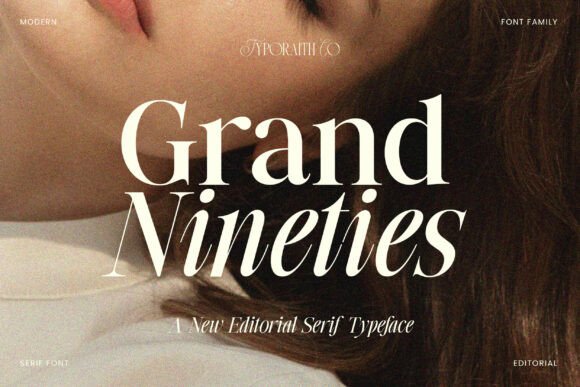
At its core, Grand Nineties is a study in balance. It draws inspiration from the classic serif structures you’d find in vintage editorial layouts but filters them through a modern lens. The letterforms have a refined, almost architectural quality, with balanced proportions that give text a clean and orderly appearance. Yet, it’s the subtle details that give it personality. The graceful italic curves introduce a dynamic flow, adding a touch of human elegance and preventing the text from feeling rigid or cold. This combination is its superpower. It possesses the authority and readability of a classic serif font while carrying the fresh, stylish energy needed for contemporary design. It’s a premium font that understands the assignment: to look beautiful while doing the heavy lifting of communication.
Where This Editorial Design Font Truly Shines
Theory is nice, but application is everything. Where does a typeface like Grand Nineties actually fit into a real-world project? Its versatility is one of its greatest strengths, making it a valuable asset in a designer’s toolkit for a wide range of creative and commercial endeavors.
Building a Brand Identity
For a brand, consistency is king. Grand Nineties provides a strong foundation for a cohesive visual identity. Imagine a boutique skincare line. Using this serif font for the logo, packaging, website headlines, and social media bios immediately establishes a premium, trustworthy feel. It signals quality and attention to detail. The same applies to a fashion brand, a high-end restaurant, a wedding planner, or a personal stylist. It helps create a brand recognition system that feels polished and intentional from the first glance. When paired with a clean sans-serif font for body text, it creates a classic and highly readable typographic hierarchy that works across all platforms.
Packaging and Print That Captivates
On a shelf, a product has a split second to make an impression. Packaging design using Grand Nineties can do that heavy lifting. For a beauty product, a gourmet food item, or a luxury candle, this typeface adds instant perceived value. Its elegance suggests that the contents are just as carefully curated as the exterior. Beyond packaging, it’s a natural fit for any print material that aims to impress. Think wedding invitations, event programs, restaurant menus, lookbooks, or editorial-style brochures. The font’s character ensures that even a simple black-and-white design feels sophisticated and impactful.
Digital Presence with Polish
In the digital space, clarity and style must coexist. Grand Nineties excels as a headline font for websites and blogs, especially for those in the lifestyle, fashion, travel, or design niches. It draws the reader in and sets a professional tone. For social media graphics, it’s a game-changer. Using it for quote cards, announcement posts, or Instagram story headlines can instantly elevate your feed’s aesthetic, helping your content stand out in a crowded space. It also works beautifully for digital products like ebook covers, online course branding, and downloadable planners, giving them a polished, premium finish that encourages downloads and builds trust with your audience.
Making Smart Typographic Choices
Having a great font is the first step. Using it effectively is the next. Integrating a display font like Grand Nineties into your projects requires a bit of thoughtful strategy to ensure it enhances, rather than overwhelms, your design.
First, consider font pairing. Grand Nineties has a strong personality, so it often works best when contrasted with a simpler, neutral typeface. A classic sans-serif font like Helvetica, Inter, or Lato for body text creates a beautiful and readable balance. The serif draws the eye, and the sans-serif provides a clean canvas for longer passages. Avoid pairing it with another highly decorative or script font, as they can compete for attention and create visual clutter.
Next, think about hierarchy and scale. Because of its detailed letterforms, Grand Nineties is truly a star in headlines, subheadings, and logos. Use it at larger sizes where its elegant details can be fully appreciated. For small body text or dense paragraphs, a simpler font is almost always a better choice for readability. The goal is to use each font where it performs best.
Finally, always test your choices. View your designs on different screens and, if possible, in print. How does the font look on a mobile phone versus a desktop? Does it maintain its elegance when printed on textured paper versus glossy? Paying attention to these details is what separates good design from great design. Also, be mindful of licensing. If you’re using Grand Nineties for a commercial project—like a client’s logo, a product you sell, or marketing materials—ensure you have the appropriate commercial license. This protects both you and the font creator and is a standard practice in professional design.
Choosing the right typeface is a fundamental decision in any creative project. It’s not just about picking something that looks nice; it’s about finding a voice that aligns with your message. Grand Nineties offers a specific voice: one of refined confidence, editorial grace, and modern luxury. It’s a design asset built for creators who understand that the details make the difference, providing a reliable way to inject sophistication and personality into a wide array of visual communications.