Boston: A Typeface That Commands Attention
Imagine walking through a city where every sign, every logo, every piece of communication feels sharp, confident, and unmistakably modern. That’s the energy the Boston typeface brings to your projects. It’s not just another condensed sans serif; it’s a design tool built for impact. Whether you’re crafting a logo for a new startup, designing a poster for an event, or building a brand identity from the ground up, Boston offers a unique combination of strength and refinement that can elevate your visual language.
The Anatomy of Confidence: Understanding Boston’s Design
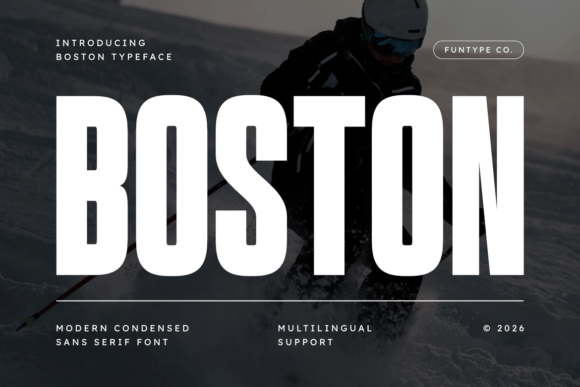
At its core, Boston is a bold and powerful modern condensed sans serif font. Its visual appeal lies in its refined vertical structure and clean, solid lines. Think of it as the typographic equivalent of a well-tailored suit—structured, precise, and authoritative. The condensed nature allows you to fit more text into tighter spaces without sacrificing readability, which is invaluable for headlines, banners, and digital interfaces where space is at a premium.
This typeface isn’t about delicate curves or whimsical details. Its strength comes from its geometric simplicity and balanced proportions. The letterforms are designed to stand alone or work together in powerful blocks of text, creating a rhythm that guides the eye smoothly across the page or screen. This makes it an excellent choice for projects where clarity and force of presence are paramount.
From Brand Identities to Digital Campaigns: Real-World Applications
Where does a typeface like Boston truly shine? Its versatility is one of its greatest assets. For branding and logo design, it conveys stability, innovation, and professionalism. A tech company, a fitness brand, or a modern architectural firm could use Boston to establish an identity that feels both contemporary and trustworthy. The font’s confident stance helps in creating a memorable brand identity that stands out in a crowded market.
Beyond logos, Boston is a powerhouse for packaging design. Imagine a product on a shelf—its name set in Boston’s bold, condensed lettering will cut through the visual noise, making an immediate statement about the product’s quality and character. Similarly, for social media graphics, where content is consumed rapidly, Boston’s high-impact style ensures your message is seen and remembered. It’s perfect for Instagram stories, Facebook ads, and Pinterest pins that need to grab attention instantly.
For web design, Boston works exceptionally well for hero section headlines, navigation menus, and call-to-action buttons. Its readability on screens, combined with its modern aesthetic, can significantly improve user engagement. In editorial design—think magazine layouts, annual reports, or blog headers—it provides a strong counterpoint to body text set in a complementary serif or sans serif font, creating a dynamic visual hierarchy.
Enhancing Visual Communication: The Practical Benefits
Choosing the right typeface is a strategic decision. Boston isn’t just about looking good; it’s about solving communication challenges. Its readability at various sizes, especially in bold weights, ensures your core message is never lost. This is crucial for marketing assets like flyers, brochures, and digital ads where you have a split second to make an impression.
Using a consistent premium font like Boston across all your touchpoints—from your website to your email newsletters to your merchandise—builds visual consistency. This consistency is the bedrock of brand recognition. When customers see the same strong, reliable typography everywhere, it reinforces your brand’s identity and builds trust.
Furthermore, a font with a strong personality like Boston can directly influence audience engagement. It sets a tone. For a project aiming to feel advanced, professional, and powerful, Boston aligns perfectly with that goal, making your entire design feel more cohesive and intentional.
Working with Boston: Pairing and Practical Tips
Integrating a new display font into your workflow requires some thought. One of the best ways to use Boston is as a headline or accent font. Its condensed, bold nature makes it a star player, but it can dominate if overused. Pair it with a more neutral, highly readable sans serif font for body text, or even a classic serif font for a sophisticated contrast. For example, Boston for headlines and a font like Open Sans or Roboto for body copy creates a balanced and professional layout.
Before finalizing your choice, always test font pairings in context. Mock up a homepage, a social media post, or a product label. See how the fonts interact with your color palette, imagery, and overall design style. Pay close attention to readability considerations—ensure the text remains clear and accessible, especially at smaller sizes or on mobile devices.
When you select a creative font like Boston, review all the included font styles. Does it come with multiple weights (Light, Regular, Bold, Black)? What about italics or alternate characters? Understanding the full toolkit allows you to create more nuanced and versatile designs. Finally, always verify the commercial licensing terms. A clear license ensures you can use the font confidently in all your client work, digital products, and printed materials without legal concerns.
A Tool for Modern Makers
Whether you’re a freelance designer juggling multiple clients, a small business owner building your brand’s visual presence from scratch, or a content creator looking to make your merchandise and invitations stand out, Boston offers a solution. It’s more than just letters on a screen; it’s a statement. It’s for the designer who wants to create industrial branding with a clean edge, the marketer who needs high-impact digital posters, and the entrepreneur who believes their brand deserves a typographic voice that is as bold and forward-thinking as their vision. In the vast world of font pairing and design assets, Boston stands out as a tool for those who communicate with clarity and confidence.