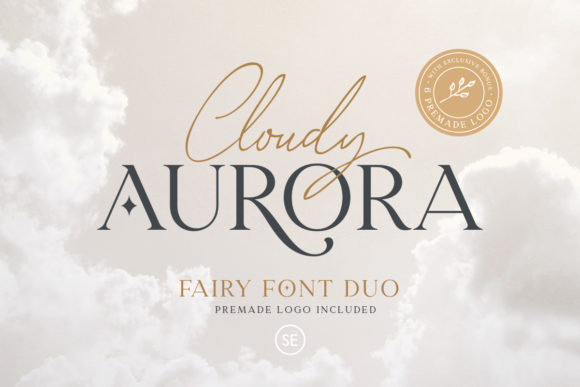
Cloudy Aurora: The Dynamic Duo for Modern Designers
There's a unique challenge in finding a typeface that carries both authority and personality. Too often, a serif font feels too rigid, while a script font can look too casual for professional contexts. This is where the Cloudy Aurora duo steps in, offering a seamless blend of classic structure and fluid artistry. It isn't just a single font; it is a curated pairing of a refined serif and a complementary script, designed to work in harmony. For anyone building a brand, launching a product, or crafting visual content, this combination provides a built-in solution to the endless search for font pairings that actually work.
The Anatomy of a Versatile Typeface
Understanding why this premium font collection works so well requires looking at its visual characteristics. The serif component of Cloudy Aurora offers the stability and readability essential for body text and headlines that need to convey trust. It features clean lines and subtle details that prevent it from looking stuffy or outdated. On the other hand, the script font brings a human touch. It mimics the flow of natural handwriting without sacrificing legibility, adding warmth and elegance to any layout.
When you combine these two, you get a modern typography tool that handles contrast beautifully. You can use the serif for your main information—like dates on an invitation or product descriptions on packaging—and use the script to highlight key phrases, such as a couple's names or a slogan. This dynamic allows for immediate visual hierarchy, guiding the viewer's eye exactly where you want it to go.
Real-World Applications: From Screen to Print
The true test of any design asset is its versatility across different mediums. Cloudy Aurora excels here because it was built to adapt. It functions effectively as a display font for posters and headers, yet remains legible enough for smaller applications.
Consider these practical scenarios where this typeface shines:
- Brand Identity and Logo Design: A logo needs to be memorable. Using the script element for a brand name and the serif for a descriptor creates a sophisticated mark that feels established yet approachable. It is particularly effective for lifestyle brands, boutique agencies, or creative entrepreneurs.
- Packaging Design: On a shelf, you have seconds to capture attention. The elegance of the script font can evoke a sense of luxury or artisanal quality, while the serif ensures that ingredients or instructions are easy to read.
- Social Media Graphics: In the fast-scrolling world of Instagram or Pinterest, distinct typography stops the thumb. This font pairing creates immediate visual interest for quotes, announcements, or sale graphics without needing complex design elements.
- Web Design and Blogs: While scripts are rarely used for long paragraphs online, they are perfect for pull quotes or section headers that break up text. Paired with the serif body text, it creates a reading experience that feels curated and intentional.
- Invitations and Editorial Layouts: For wedding stationery or magazine features, the combination mimics the look of hand-lettering mixed with traditional typesetting, offering a high-end aesthetic that clients love.
Strategic Typography for Business Owners
For small business owners and marketers, typography is more than just decoration; it is a communication strategy. The fonts you choose speak volumes about your brand's personality before a customer reads a single word. A disjointed font pairing can make a brand look amateurish, while a cohesive pairing like Cloudy Aurora signals professionalism.
Visual consistency is key to brand recognition. When you use a cohesive duo font system, you ensure that your Instagram stories, your website headers, and your printed brochures all feel like they belong to the same family. This consistency builds trust. It tells your audience that you pay attention to details, which often translates to the quality of your product or service.
Practical Tips for Implementation
Adopting a new typeface into your workflow requires a bit of strategy to maximize its impact. Here is how to get the most out of this creative font:
- Define the Hierarchy: Before you start designing, decide which role each font will play. A good rule of thumb is to use the serif for the bulk of your information and the script for emphasis. Avoid using the script for long sentences, as readability can drop significantly on smaller screens.
- Check Your Spacing: Script fonts often require different tracking (letter spacing) than serif fonts. Ensure that your script headlines aren't too tight, which can make letters crash into one another, or too loose, which breaks the connection between characters.
- Test for Readability: Always view your design at the size it will be seen. A font that looks great on a 27-inch monitor might be illegible on a mobile phone screen. Ensure your contrast ratios are high enough, especially if placing light-colored text over images.
- Review Licensing: If you are using this for commercial projects, always double-check the license. Most premium fonts allow for extensive use, but verifying that your specific use case (like app development or mass-produced merchandise) is covered protects your business legally.
Elevating Your Visual Communication
Ultimately, the goal of design is to communicate a message effectively. Whether you are a blogger trying to convey a specific mood, a designer building a portfolio, or a crafter selling on Etsy, your tools matter. Cloudy Aurora provides a sophisticated toolkit that bridges the gap between traditional typography and modern design trends. It allows you to add a layer of polish to your projects that might otherwise require hiring a specialized lettering artist.
By integrating this typeface into your collection, you are not just buying a font; you are investing in a visual language that can adapt to your evolving creative needs. It brings life to static text, turning simple words into compelling visual assets that resonate with your audience.