Groovy Wiggle: Injecting Retro Fun into Modern Design
There's a certain electricity in designs that refuse to take themselves too seriously. You know the feeling—when a poster makes you smile before you've even read the words, or a logo feels like it's practically dancing on the page. That energy doesn't happen by accident. It comes from deliberate choices in color, composition, and—perhaps most powerfully—typography. If you've been searching for a typeface that channels pure joy and vintage cool simultaneously, you've likely stumbled across something special.
What Makes This Typeface So Visually Magnetic
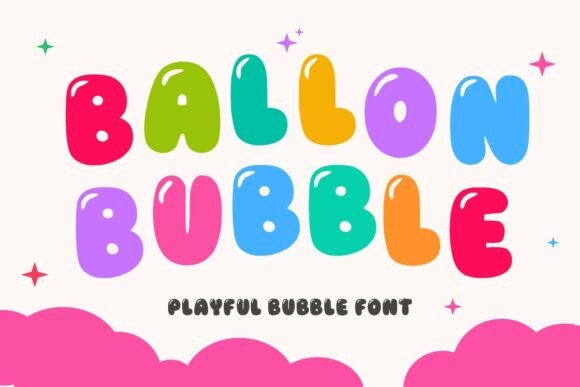
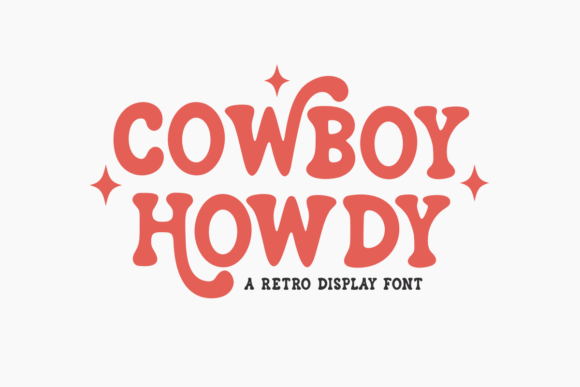
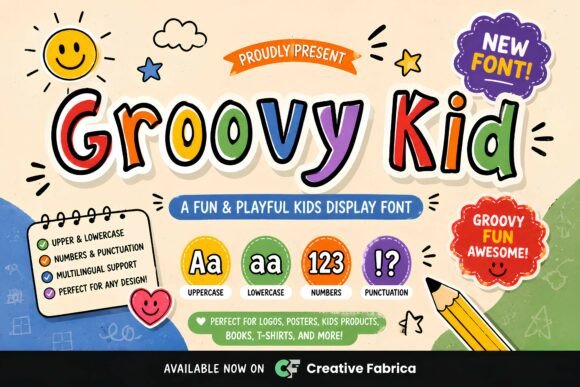
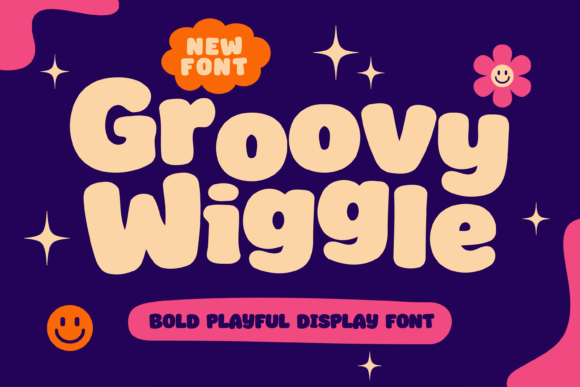
Groovy Wiggle is a bold playful display font inspired by retro pop culture, funky shapes, and cheerful typography. Its thick rounded characters and bouncy letterforms create a fun and expressive look that instantly grabs attention. But what exactly gives it that magnetic pull? Look closely at the letterforms and you'll notice the soft curves and subtle irregularities—each character has its own personality, yet they all work together as a cohesive family. The rounded terminals feel approachable and friendly, while the slight wobble in the baseline gives the entire typeface a sense of movement and spontaneity.
This isn't a font that whispers. It announces itself. The weight is substantial enough to command attention at any size, and the quirky personality baked into every glyph means you don't need elaborate design tricks to make your text pop. For anyone working on kids branding, playful posters, social media graphics, packaging, merchandise, stickers, logos, or creative projects, this typeface delivers a vibrant retro-modern atmosphere full of energy and happiness.
Where This Font Truly Shines
Think about the brands and products that stick in your memory. Often, the ones that feel the most human and approachable are the ones that lean into personality rather than corporate sterility. Here's where a creative font like this finds its sweet spot:
- Logo design and brand identity — A children's boutique, a toy company, a retro-themed café, or a creative agency targeting youthful audiences can build an entire visual identity around this typeface. Its distinctive character makes logos memorable without sacrificing legibility.
- Packaging design — Imagine this font on a cereal box, a snack wrapper, or a craft beer label with a playful twist. The bold weight ensures product names read clearly from a shelf, while the bouncy shapes communicate fun and approachability.
- Social media graphics — Instagram stories, TikTok thumbnails, Facebook ads, Pinterest pins—these platforms reward content that stops the scroll. Typography with built-in personality gives you a significant advantage in crowded feeds.
- Merchandise and stickers — T-shirts, tote bags, enamel pins, laptop decals. Products that people wear or display become walking advertisements, and a font with this much charm practically begs to be put on physical goods.
- Invitations and event materials — Birthday parties, baby showers, music festivals, school events. Any occasion that calls for celebration benefits from typography that feels celebratory by default.
- Editorial layouts and blogs — Pull quotes, section headers, and feature titles in magazines or online publications gain visual interest when set in a display font that contrasts with body copy in a clean sans serif font.
- Digital products and marketing assets — Course graphics, e-book covers, email headers, banner ads. The digital landscape is relentless, and distinctive typography helps your assets stand out in a sea of generic templates.
Pairing, Readability, and Practical Considerations
Here's where many designers get tripped up: a font that looks incredible in isolation might clash horribly with the rest of your design system. The key is treating any premium font as one ingredient in a larger recipe.
Since Groovy Wiggle is a display typeface, it works best at larger sizes—headlines, titles, short phrases, and callouts. Resist the temptation to set entire paragraphs in it. Instead, pair it with a clean serif font or sans serif font for body text. Something neutral and well-spaced gives the playful display font room to breathe without overwhelming the reader. Think of it like seasoning: a little goes a long way, and the contrast is what makes both elements taste better.
Test your font pairings in context. Mock up a real social media post, a product label, or a landing page rather than looking at fonts in isolation. Does the combination feel balanced? Does the hierarchy make sense? Can someone unfamiliar with your brand read the important information quickly? These practical questions matter more than whether two typefaces theoretically complement each other.
Readability deserves special attention with any display font. The bouncy baseline and quirky shapes that make this typeface so charming can also reduce legibility if used carelessly. Avoid setting it in very long strings of text. Be mindful of letter spacing—sometimes adding a touch of tracking helps individual characters breathe. And always check how your text renders at the actual size your audience will see it, whether that's a tiny favicon or a massive event banner.
Building a Consistent Brand With Distinctive Typography
Visual consistency is one of the most underrated advantages of choosing the right typeface early in your branding process. When you commit to a font family and use it deliberately across every touchpoint—from your website headers to your packaging to your Instagram stories—you create a visual shorthand that audiences begin to recognize subconsciously.
Groovy Wiggle is designed to make your typography feel friendly, fun, and full of character. That emotional resonance is incredibly valuable for brand recognition. People remember how a brand makes them feel far more vividly than they remember specific words or taglines. If your brand personality aligns with warmth, playfulness, creativity, and retro charm, using a typeface that embodies those qualities reinforces your message at every interaction.
Before finalizing any font choice, review what's included in the package. Does it offer multiple weights? Are there alternate characters or stylistic sets? Does it include multilingual support if you need it? Understanding the full scope of your typeface ensures you can maintain consistency even as your design needs evolve. Commercial licensing is another critical detail—verify that the license covers your intended use, whether that's digital products, print-on-demand merchandise, or client work. A reputable premium font will clearly outline these terms.
Typography is one of the most powerful tools in your design arsenal, and choosing a typeface with genuine personality—rather than defaulting to whatever's trendy this month—pays dividends for years. When your font choice aligns with your project goals, your audience, and the emotional tone you want to strike, everything else in your design falls into place more naturally. That alignment between intention and execution is what separates work that looks professional from work that truly connects.