Retro Distressed: A Typeface with Gritty, Nostalgic Soul
There’s an undeniable magnetic pull to things that look like they’ve lived a little—worn leather jackets, faded concert posters, old movie titles etched in ink that has slightly bled over the years. That feeling of authentic character, of a story embedded in the very surface, is incredibly powerful in visual communication. If you’ve ever tried to force that raw, lived-in aesthetic with filters and effects, only to end up with something that feels artificial, you know the frustration. This is where a thoughtfully crafted font like Retro Distressed enters the conversation, not as a mere typeface, but as a shortcut to genuine vintage personality.
Capturing the Look of Worn Print and Classic Posters
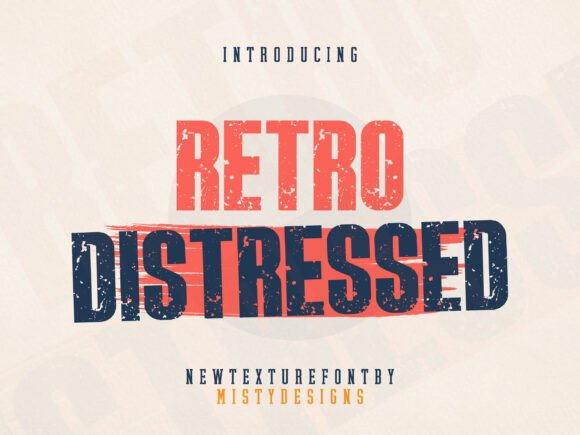
What sets this display font apart is its commitment to authenticity. It’s not just a bold, chunky letterform. The magic is in the details: the rugged, irregular edges and the subtle, integrated weathered texture that mimics the look of old screen printing, rubber stamping, or a lithograph that’s been through its fair share. This isn’t a flaw; it’s a feature. The texture is built directly into the font file, meaning it scales perfectly and maintains its gritty integrity whether it’s on a tiny label or a massive banner. This integrated approach is a huge advantage over layering external grunge textures, which can become muddy or inconsistent across different sizes and applications.
The inspiration drawn from classic retro posters is clear in its structure. You’ll notice a strong, confident presence that commands attention, perfect for headlines that need to stop a scroll or draw the eye from across a room. Yet, it carries a modern sensibility in its proportions and legibility. It walks that fine line between being unmistakably vintage and feeling fresh and relevant for contemporary projects. It’s a typeface that understands nostalgia but speaks to today’s audience.
Where Vintage Texture Truly Shines: Real-World Applications
Thinking about where to deploy a font with this much personality is where the fun begins. Its strength lies in applications where impact and atmosphere are paramount. For logo design and brand identity, it can instantly communicate a brand’s ethos as handcrafted, authentic, or rooted in a particular era. Imagine a craft brewery logo, a vintage clothing label, or a music festival poster—this font does half the storytelling work before a single word is read.
It’s a powerhouse for packaging design, especially for products aiming for a rustic, artisanal, or heritage feel. Think coffee bags, hot sauce labels, or cosmetic packaging that wants to evoke apothecary vibes. The textured appearance adds a tactile quality, suggesting the product inside has substance and care behind it. For merchandise like t-shirts, hoodies, and tote bags, it’s a natural fit. The distressed look is practically a requirement for streetwear and band merch, and this font delivers that aesthetic with precision and style.
In the digital realm, it’s a fantastic tool for social media graphics and web design accents. Use it for Instagram story titles, YouTube thumbnails, or featured image text to create an instant hook. On a website, it can be used strategically for main headings or call-to-action buttons to inject energy and character, provided it’s paired with a clean, highly readable body font. It’s equally effective in editorial design for magazine spreads, album covers, or book titles where a bold, thematic statement is needed.
Practical Tips for Pairing and Readability
A font with this much character requires a thoughtful approach. Its primary role is as a display font—the star of the show in headlines, titles, and short bursts of text. You wouldn’t set a paragraph of body copy with it; that would overwhelm the eye and sacrifice readability. The key is to pair it wisely. A clean, geometric sans-serif font or a classic, understated serif font makes an excellent companion. This contrast allows the distressed typeface to pop while ensuring longer text remains comfortable to read.
Always test your pairings in context. View your design at the intended size, whether it’s on a mobile screen or a printed poster. Check the spacing (kerning) between specific letter combinations, as the distressed edges can sometimes create visual gaps or tightness. Most quality fonts will have optimized kerning pairs, but it’s good practice to review. Also, consider the color. High-contrast backgrounds (dark text on light, or vice-versa) typically work best, as the texture detail can get lost on a busy photographic background or with low-contrast color schemes.
Making It Work for Your Project and Brand
When selecting a premium font like this for commercial use, the licensing is a critical checkpoint. Ensure the license covers your intended use—whether it’s for client work, merchandise for sale, or digital products. A good commercial font license will provide clarity and peace of mind, allowing you to use the asset confidently across all your marketing assets and projects.
Finally, let the font inspire your creative direction. If you’re designing a logo for a new venture, let the vintage, rugged vibe of the typeface inform your color palette, imagery, and overall brand story. If you’re creating a series of social media posts, build a template around it for visual consistency. The right creative font doesn’t just look good; it becomes a foundational piece of your project’s visual language, helping to build brand recognition and connect with an audience on an emotional level. It’s about choosing a tool that doesn’t just convey words, but amplifies the very feeling you want to communicate.