The Messy Font Bundle: Why Imperfect Typography Feels So Human
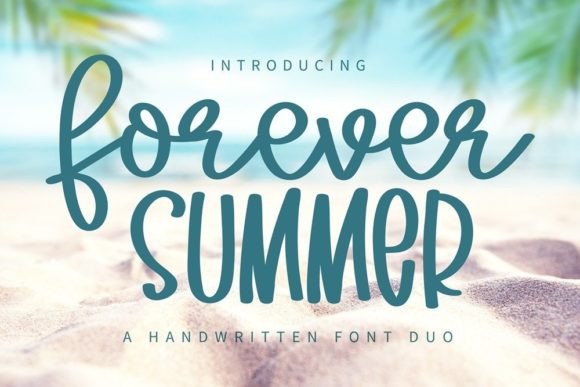
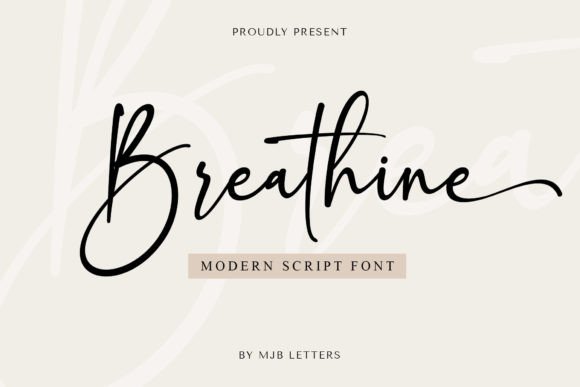
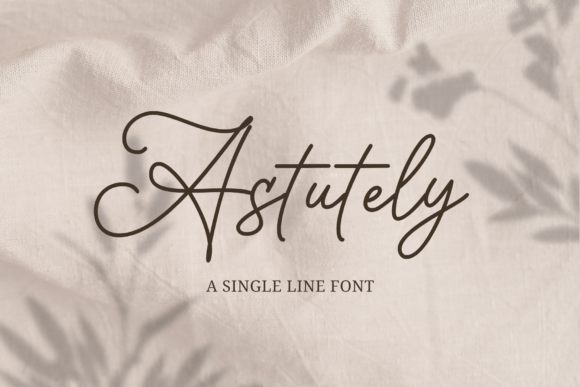
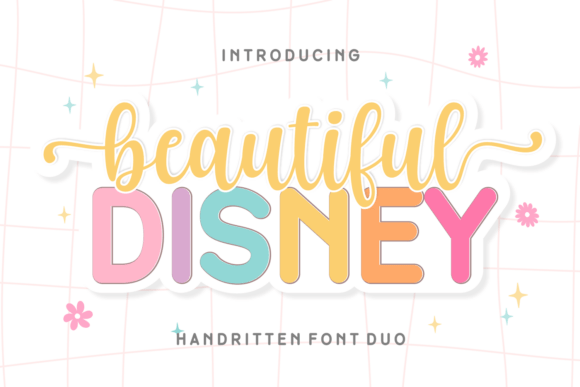
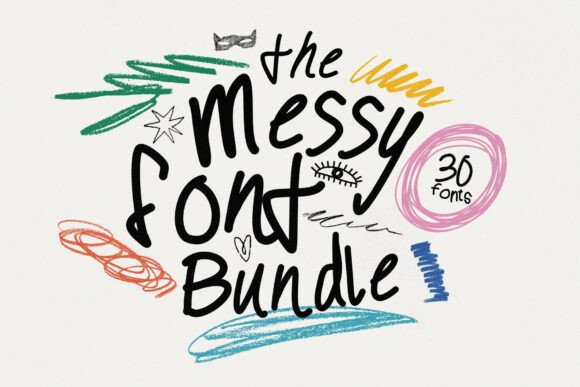
There's a certain kind of design work that makes you stop scrolling. It's not the slick gradient or the pixel-perfect alignment—it's the piece that looks like someone actually touched it. Maybe the edges of the letters bleed a little, or the baselines waver just enough to feel like real ink on real paper. That warmth, that slight chaos, is exactly what the Messy Type Bundle brings to the table: a curated collection of 30 fonts that trade sterile precision for genuine, handcrafted character.
We live in an era where Canva templates and AI-generated graphics flood every feed. The result? Everything starts to look the same. Smooth, safe, forgettable. For designers, small business owners, and content creators who want their work to actually connect with people, there's growing value in typography that feels imperfect in all the right ways. This bundle is built for that exact purpose.
What's Actually Inside This Font Collection?
Forget the generic "font pack" downloads that give you 200 variations of the same bland sans serif. The Messy Type Bundle is deliberately selective. Every typeface was chosen because it carries something specific—an expressive texture, an unexpected stroke, a personality that's hard to replicate with clean vector outlines.
Here's a snapshot of what you'll find:
- Handwritten scripts with natural pen pressure variation and slightly uneven letter spacing
- Rough serif fonts that look like they were carved or stamped rather than typeset
- Marker-style typefaces with the bleed and spread of actual felt-tip pens
- Brush lettering fonts where you can see the bristle texture in every stroke
- Imperfect sans serifs that keep things modern but add a human wobble
- Textured display fonts with grain, grit, and visible surface inconsistencies
- Organic typefaces full of the tiny quirks you'd find in hand-drawn lettering
Each font includes realistic edges and uneven strokes that make digital designs feel analog. These aren't fonts that pretend to be messy—they genuinely carry the visual DNA of handcrafted work.
Where These Fonts Actually Work Best
The honest answer? Almost anywhere you want a human touch. But let's get specific, because choosing the right application matters more than people realize.
Branding and Logo Design — If you're building an identity for an indie coffee roaster, a handmade ceramics studio, a podcast about true crime, or a streetwear label, a messy typeface can do heavy lifting. It signals authenticity before anyone reads a single word. Think about brands like A24 or Mast Brothers—their typography choices tell you what kind of company they are before you even engage with the product.
Packaging Design — Grocery shelves and online marketplaces are packed with products competing for attention. A handwritten font on a hot sauce label or a rough serif on a craft beer bottle immediately communicates small-batch, artisanal quality. The textures in these fonts work especially well when printed on kraft paper, matte labels, or textured cardstock.
Social Media Graphics — Instagram, TikTok, Pinterest—these platforms reward content that stops the scroll. A post set in a perfectly clean Helvetica looks professional, sure, but it also looks like every other brand. A quote card or announcement set in an expressive brush font or a raw marker typeface feels more like a conversation and less like an advertisement.
Editorial and Print Layouts — Magazine features, zine layouts, event posters, album covers, and book jackets all benefit from type that has texture. Pull quotes in a messy script, headlines in a rough display font—these choices add editorial personality that clean type simply can't replicate.
Web Design and Blogs — Used sparingly and strategically, an imperfect font for headlines or accent text can make a website feel warmer and more inviting. The key is pairing it with a highly readable body font so the overall experience stays comfortable.
Merchandise and Apparel — Tote bags, t-shirts, stickers, pins—merch that uses handcrafted typography tends to feel more like art and less like promotional material. People actually want to wear and carry things that look designed, not templated.
Matching Font Personality to Your Project Goals
Not every messy font is right for every project. A grungy brush script that looks incredible on a concert poster might feel completely wrong for a children's bakery. Context matters enormously.
Before picking a font from the bundle, ask yourself a few practical questions:
- What emotion should this design communicate? Energy, nostalgia, rebellion, warmth, playfulness—different typefaces carry different moods. A rough serif might feel vintage and trustworthy, while a marker font feels casual and energetic.
- Who is the audience? A font that resonates with a 25-year-old skater brand won't necessarily connect with a 45-year-old home baker's audience. Think about who you're trying to reach and what visual language they respond to.
- Where will this appear? A font that reads beautifully at poster size might become illegible as a website headline on a mobile screen. Always consider the final output medium.
- How much text needs to be set? Expressive display fonts work brilliantly for short headlines and single words. For longer passages, you'll want something with more consistency and readability.
Practical Tips for Pairing and Readability
One of the most common mistakes with creative fonts is using them for everything. A poster set entirely in a rough brush typeface can feel chaotic rather than intentional. The magic happens in contrast.
Try pairing a textured, expressive headline font with a clean, neutral body font. A messy script headline next to a simple geometric sans serif for body copy creates visual hierarchy and keeps the design grounded. The contrast actually makes the messy font more impactful because it stands out against something orderly.
Readability is non-negotiable, especially for web design and digital products. Test your font choices at the actual size they'll be displayed. Zoom out. View on a phone screen. Print a test page. If people have to squint or re-read a word, the font isn't working for that application, no matter how beautiful it looks at 200 pixels.
For brand identity work, consistency is everything. Choose one or two fonts from the bundle and use them systematically across all touchpoints—logo, website, packaging, social templates, printed materials. A cohesive typography system builds recognition over time, even when the fonts themselves are intentionally imperfect.
Commercial Use and Licensing Considerations
Before using any premium font in a commercial project, always verify the licensing terms. The Messy Type Bundle includes commercial licenses, which means you can use these fonts for client work, products for sale, branded content, and marketing materials without worrying about legal complications. That's a significant advantage over many free font sources where licensing can be murky or restrictive.
Keep license documentation organized, especially if you work with multiple clients. A simple folder system with license files for each asset saves headaches later if questions ever come up.
Why Imperfection Is a Design Strategy, Not a Compromise
There's a reason hand-lettering, risograph printing, and lo-fi design aesthetics keep gaining momentum. People crave authenticity. They want to see the hand behind the work, the slight irregularity that proves a human being made deliberate creative choices.
The Messy Type Bundle isn't about being sloppy or careless with typography. It's about choosing type that carries emotional weight—fonts that feel lived-in, real, and full of personality. Whether you're designing a brand identity for a new startup, laying out a zine, creating social content for a growing audience, or packaging a product that deserves to stand out on a crowded shelf, having a library of authentic, handcrafted typefaces gives you options that clean, corporate fonts simply can't provide.
Sometimes the most professional thing you can do is let your design breathe, shake a little, and look like it was made by a person who cares.