Chapter Five: The Handwritten Font with Modern Flair
There’s something undeniably human about a handwritten font. It carries warmth, personality, and a sense of authenticity that rigid, geometric typefaces simply can’t replicate. If you’ve been searching for a script font that balances playful energy with clean, modern design, Chapter Five might be the creative asset your toolkit has been missing. Created by Kong Font Studio, this premium font is designed for makers, designers, and entrepreneurs who want their projects to feel personal yet polished.
A Font That Feels Like a Conversation
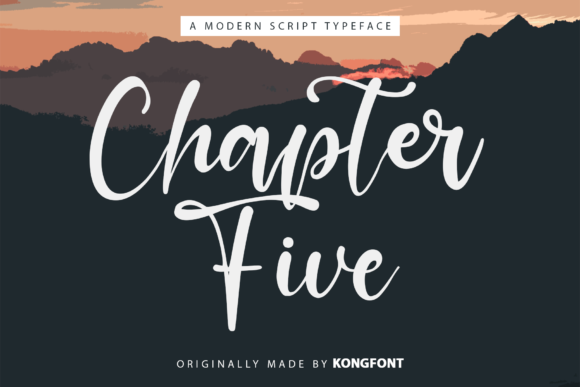
Chapter Five isn’t trying to mimic old-world calligraphy or rustic chalkboard lettering. Instead, it leans into a contemporary, approachable style that feels like something you’d jot down in a favorite notebook. The letterforms have a natural flow—slightly varied baseline, gentle curves, and just enough irregularity to feel organic without sacrificing legibility. This makes it incredibly versatile. You could use it for a whimsical bakery logo, a heartfelt wedding invitation, or a bold headline on a social media graphic, and it would feel right at home in each context.
What sets this typeface apart is its thoughtful construction. The strokes are confident but not heavy, creating a light, airy feel that works well on both digital screens and printed materials. It avoids the common pitfall of many script fonts that become muddy or overly decorative at smaller sizes. Whether you’re typing out a short tagline or a longer quote, the characters maintain their clarity and charm.
Where This Handwritten Font Truly Shines
Think about the projects where a personal touch makes all the difference. A coffee shop menu that needs to feel cozy and inviting. A skincare brand’s packaging that wants to convey natural, artisanal quality. A blogger’s featured images that aim to stand out in a crowded feed. Chapter Five steps into these scenarios effortlessly.
For brand identity, it can become the cornerstone of a visual language that feels approachable and authentic. Pair it with a clean sans serif font for body text, and you’ve got a balanced, professional system. In logo design, its distinctive swashes and ligatures (more on those in a moment) allow for unique customizations that help a brand mark feel one-of-a-kind.
On the practical side, it’s a fantastic choice for:
- Packaging design where shelf appeal is critical.
- Social media graphics that need to stop the scroll with personality.
- Website headers and blog titles to inject energy into digital content.
- Print materials like business cards, thank-you notes, and promotional flyers.
- Digital products such as planners, worksheets, and inspirational quote art.
- Marketing assets including email banners, ad creatives, and lead magnets.
- Event invitations and editorial layouts that benefit from a human touch.
Beyond the Basic Glyphs: Unlocking Creative Potential
Here’s where Chapter Five really earns its place in a designer’s library. It’s PUA encoded, which is a technical way of saying you have full access to every character, swash, and alternate glyph, regardless of the software you’re using. Not everyone works in Adobe Illustrator or Photoshop. Many small business owners use Canva, Cricut Design Space, or even Microsoft Word for their projects. PUA encoding ensures that those beautiful stylistic alternates and decorative tails aren’t locked away behind professional design software.
This accessibility is a game-changer for crafters and hobbyists. Imagine being able to add a flourish to the end of a word in a Cricut project without any technical hurdles. Or accessing a special ligature in a Canva social media post to make a brand name look truly custom. It democratizes high-quality typography, putting professional-level tools into the hands of everyone.
Practical Tips for Using Chapter Five Effectively
As with any display font or script typeface, context is everything. A font this expressive shouldn’t be used for long paragraphs of body copy—that’s a job for a readable serif or sans serif. Instead, think of Chapter Five as your headline artist, your accent font, your tool for drawing the eye.
Font Pairing is Key: The most professional designs use a limited, intentional set of typefaces. Try pairing Chapter Five with a simple, geometric sans serif like Montserrat or Lato. The contrast between the fluid, handwritten script and the structured, neutral sans serif creates visual hierarchy and keeps your design from feeling chaotic. Test different weights—using Chapter Five for a main headline and the sans serif for subheadings and body text often works beautifully.
Consider Readability: While Chapter Five is designed for clarity, always test your text at the actual size it will be viewed. A phrase that looks perfect on your 27-inch monitor might be illegible on a mobile phone screen or when printed small on a business card. Use it for short, impactful words and phrases where its personality can be fully appreciated.
Explore the Included Styles: Many premium fonts come with more than just the basic alphabet. Look for stylistic sets, alternate characters, and ligatures. These extras are what allow you to tailor the font to your exact project, creating a custom look that feels intentional and unique to your brand.
A Smart Investment for Your Creative Toolkit
Choosing a font is more than an aesthetic decision; it’s a practical one. You need a typeface that is not only beautiful but also versatile, reliable, and legally cleared for your intended use. Chapter Five, as a commercial font, provides that peace of mind. The licensing from Kong Font Studio allows for use in a wide range of projects, from client work to merchandise you sell, which is essential for any professional or entrepreneur.
In a landscape saturated with generic templates and overused free fonts, investing in a high-quality, creative font like this one can be a differentiator. It helps build visual consistency across all your touchpoints, strengthening brand recognition. It elevates the professional presentation of your work, signaling to your audience that you care about the details. Ultimately, it’s a tool for better communication and deeper audience engagement.
So, if you’re working on a project that calls for a blend of modern style and human warmth, give Chapter Five a try. Play with its swashes, pair it thoughtfully, and see how a single, well-chosen typeface can help tell your story more effectively.