Ezra: The Handwritten Font Where Vine Meets Modern Design
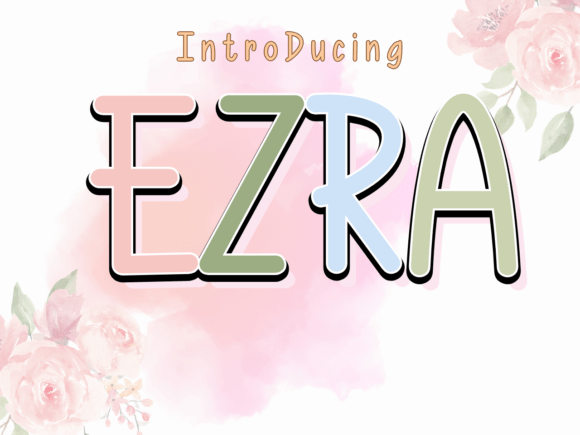
There’s a certain magic that happens when typography feels alive, when it carries the organic, unpredictable flow of something drawn by hand rather than built by a machine. This is the essence of Ezra, a handwritten font whose concept springs directly from the delicate, curling tip of a vine. It’s a design choice that immediately sets it apart, offering a visual language that is both natural and distinctly artistic. For anyone looking to infuse their projects with a genuine sense of personality and craftsmanship, moving beyond the rigid lines of standard sans serif fonts can be a transformative step.
More Than Just a Script Font: The Organic Identity of Ezra
Many script or handwritten fonts aim for a casual, personal feel, but Ezra takes this a step further by embedding a specific botanical inspiration into its very strokes. The influence of the vine is subtle yet powerful—it’s visible in the way certain letterforms taper, in the gentle curves that mimic growth, and in the overall rhythm that feels less like writing and more like drawing. This creates a premium font with a built-in narrative, perfect for projects where you want the typography itself to tell a part of the story. It’s a creative font designed to make your work stand out, not just blend in.
What truly gives Ezra its own identity is this deliberate fusion of the natural and the designed. Unlike some display fonts that can be overly decorative and sacrifice legibility, Ezra maintains a careful balance. The vine-like elements enhance the visual appeal without overwhelming the text, making it a versatile typeface for both headlines and shorter, impactful blocks of copy. It’s a font that invites a closer look, rewarding the viewer with its nuanced details—a quality that can significantly boost audience engagement.
Practical Applications: Where Ezra Truly Shines
Understanding a font’s character is one thing; knowing exactly where to deploy it is where the real value lies. Ezra’s unique blend of elegance and approachability makes it a standout choice across a wide spectrum of creative and commercial projects. Think of it as a specialized tool in your design assets toolkit, one that can solve specific branding and communication challenges.
For branding and logo design, Ezra offers an immediate shortcut to a handmade, artisanal aesthetic. A boutique bakery, a local florist, a wellness brand, or an independent coffee shop could use it to craft a logo that feels authentic and rooted in care. In packaging design, it can transform a simple label into a story, suggesting that the product inside was crafted with intention. The font’s character is equally at home on social media graphics, where it can help a brand’s Instagram stories or Pinterest pins cut through the noise with a personal, non-generic touch.
For print materials and invitations, Ezra is a natural fit. Wedding stationery, greeting cards, and event posters benefit immensely from its romantic, flowing style. It evokes the feeling of a hand-addressed envelope, adding a layer of warmth and exclusivity. Similarly, in editorial design, it can be used for pull quotes or chapter titles in magazines and books, adding a touch of artistic flair to the layout. Digital creators will find it invaluable for designing Goodnotes templates, planners, and digital stickers, where its handwritten quality enhances the personal, scrapbook-like experience.
Integrating Ezra Into Your Design Workflow
Adopting a new font like Ezra into your projects requires a thoughtful approach to ensure it enhances, rather than hinders, your design goals. The first step is to always consider readability. While Ezra is crafted for clarity, its decorative nature means it’s best suited for display purposes—think titles, headers, short phrases, and logos. For body text, especially in digital formats or lengthy documents, pairing it with a clean, highly legible serif font or a simple sans serif font is essential. This contrast creates a beautiful hierarchy and ensures your message is communicated clearly.
Effective font pairing is an art in itself. Test Ezra alongside neutral, structured typefaces. A modern geometric sans serif can make Ezra’s organic curves pop, while a classic serif can ground it in tradition. The key is to let Ezra be the star of the show in the elements where you apply it, supported by simpler typographic choices elsewhere. Always review the complete font package; Ezra may come with alternate characters, ligatures, or stylistic sets that allow for even greater customization and visual interest.
Finally, always be mindful of commercial licensing. If you’re using Ezra for client work, merchandise, or any project intended for commercial gain, ensure you have the appropriate license. This is a standard professional practice that protects both you and the font designer. A quality creative font is a valuable investment, and proper licensing is part of respecting the craft behind the typography you choose to represent your brand or your client’s brand. By thoughtfully selecting and applying a typeface like Ezra, you’re not just choosing letters; you’re choosing a voice, a texture, and a feeling that can genuinely elevate the professionalism and emotional impact of your work.