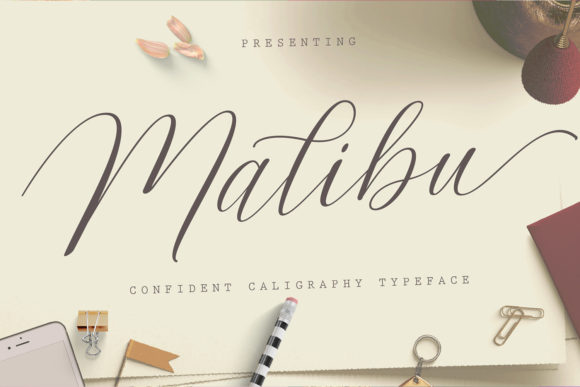
Malibu Script: Where Classic Calligraphy Meets Modern Design
There’s a certain magic that happens when a typeface feels both timeless and fresh. It’s the kind of design element that doesn’t just sit on a page—it communicates a mood, tells a story, and connects with an audience on an almost instinctive level. This is the sweet spot where Malibu Script lives. It’s a splendid script font that beautifully bridges the gap between the elegant flow of classic calligraphy and the clean, confident lines of modern design. If you’ve been searching for a typeface that brings personality and professionalism to your creative work, this might be the versatile tool you’ve been looking for.
A Typeface That Tells a Story
At its core, Malibu Script is a premium font with a distinct visual personality. Its letterforms are inspired by fluid, handwritten strokes, giving it a natural and approachable feel. Yet, the construction is deliberate and polished, avoiding the chaos that can sometimes make script fonts difficult to read. This balance is its greatest strength. The characters connect with a graceful rhythm, creating words that feel cohesive and intentional. It’s not just a handwritten font; it’s a curated display font designed for impact. The included swashes and alternate glyphs, easily accessible thanks to its PUA encoding, allow for further customization, letting you add flourish or simplify the look to match the exact tone of your project.
From Brand Identity to Packaging Design
One of the most practical applications for a font like Malibu is in building a cohesive brand identity. For a small business, a boutique, or a creative entrepreneur, the logo is often the first handshake with a customer. A logo design using Malibu Script can instantly convey elegance, craftsmanship, or a personal touch, depending on the surrounding design elements. Imagine it on a coffee shop’s menu board, a florist’s business card, or a skincare brand’s bottle label. In packaging design, the font’s readability at various sizes makes it ideal for product names, taglines, or decorative accents on boxes and sleeves. It helps a product stand out on a shelf by communicating its quality and style before a customer even reads the details.
Beyond the physical product, this creative font translates powerfully into the digital realm. For web design, using a script font strategically in headers or hero sections can draw the eye and set the website’s tone. Paired with a clean sans serif font for body text, it creates a beautiful contrast that enhances readability while maintaining visual interest. Social media graphics are another perfect playground. A quote graphic, a promotional announcement, or a story highlight cover using Malibu Script can stop the scroll, adding a layer of sophistication and personality that generic system fonts simply cannot match. It helps create visual consistency across your Instagram feed, Pinterest pins, and Facebook ads, strengthening brand recognition with every post.
Practical Applications for Print and Digital
The utility of a well-crafted typeface extends into nearly every corner of editorial design and marketing. Think about the projects you might be working on:
- Invitations and Stationery: Wedding invitations, event programs, and thank-you cards are natural homes for a script font. Malibu’s elegant flow can make these items feel special and bespoke.
- Marketing Assets: From email newsletter headers to PDF lead magnets and sales sheets, using a distinctive font helps your materials look professional and stand out in a crowded inbox.
- Merchandise and Apparel: A catchy phrase or a brand name set in Malibu Script can look stunning on a t-shirt, tote bag, or mug. The font’s clarity ensures it remains legible even when printed or embroidered.
- Posters and Signage: For event posters, shop signage, or motivational wall art, the font’s display qualities make it perfect for large-scale applications where its details can shine.
For content creators and bloggers, incorporating a font like this into your digital products—like printable planners, worksheets, or social media templates—adds a layer of perceived value and professionalism that your audience will appreciate.
Making It Work: Pairing and Practicality
Choosing the right font is only half the battle; using it effectively is what truly elevates a design. A key piece of advice is to always consider the font pairing. Malibu Script, as a high-contrast display font, works best when paired with a simpler, more neutral companion. A geometric sans serif or a sturdy, old-style serif font for body copy will let Malibu’s personality shine without overwhelming the viewer. Test different combinations to see what feels right for your project’s goals—whether that’s conveying luxury, friendliness, or modern minimalism.
Always prioritize readability. While Malibu is designed for clarity, it’s still a script font. Use it for short headlines, titles, and accents, not for long paragraphs of text. At very small sizes or on low-resolution screens, intricate details can get lost. Review the font’s full character set and styles. Understanding the available ligatures, swashes, and alternates will allow you to use the font to its full potential and avoid repetitive letter combinations. Finally, for any commercial project, ensure you have the correct commercial font license. A reputable design asset will provide clear licensing terms, giving you peace of mind as you use the font across client work, merchandise, and digital goods.
In the end, a font like Malibu Script is more than just a set of letters. It’s a design asset that can help articulate a brand’s voice, add emotional weight to a message, and make everyday projects feel extraordinary. By understanding its strengths and applying it thoughtfully, you can harness its modern calligraphic charm to create work that truly resonates.