The Gentle Charm of Beautiful: A Font for Joyful Design
There's a particular feeling a design evokes when it strikes the perfect balance between elegance and approachability. It's that sweet spot where sophistication meets warmth, and formality gives way to genuine connection. Finding a typeface that captures this delicate balance can transform a good project into one that truly resonates. This is where a font like Beautiful enters the conversation—a sweet, cursive handwritten typeface designed to infuse your work with a joyful, romantic sensibility that feels both polished and wonderfully personal.
A Typeface with Personality
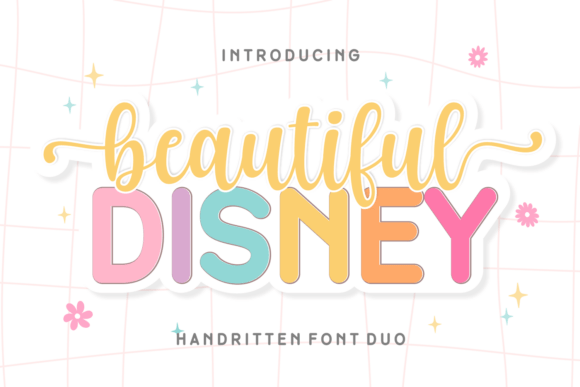
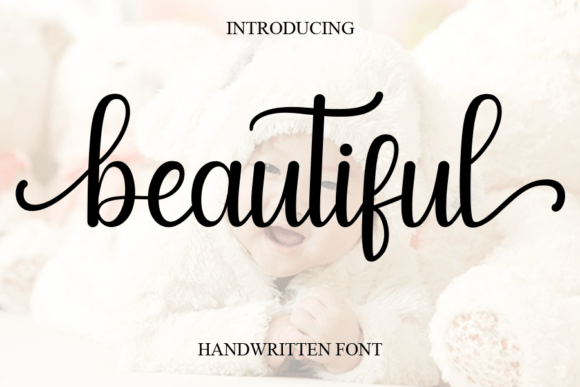
At its core, Beautiful is a script font that prioritizes fluidity and grace. Its letters connect in a flowing, natural rhythm, mimicking the effortless elegance of skilled penmanship. Unlike some overly ornate or stiff calligraphy fonts, it maintains a gentle, approachable character. The curves are soft, the connections are smooth, and the overall impression is one of heartfelt creation rather than mechanical precision. This makes it a versatile display font that doesn't overwhelm but instead invites the viewer in. It carries the spirit of a handwritten font but with a refined consistency that ensures legibility and professionalism across various applications.
Where This Font Truly Shines
The real value of any creative font lies in its practical application. Beautiful finds its home in projects where emotion and aesthetics are paramount. Consider its role in brand identity for boutique businesses—think a custom cake studio, a floral design company, or a handmade jewelry line. The font's gentle curves can become a core visual element, helping to improve brand recognition by evoking the exact feeling of care and artistry the business offers. For logo design, it works beautifully as a primary wordmark or as a complementary element paired with a clean sans serif font for balance.
Beyond logos, its applications in packaging design are extensive. Imagine it on labels for artisanal products, gift boxes, or cosmetic branding, where it adds a layer of perceived quality and attention to detail. In the realm of print materials, it elevates wedding invitations, greeting cards, and event programs, setting a tone of celebration and intimacy. For editorial design, it can be used for pull quotes, chapter headings, or magazine cover lines in lifestyle and fashion publications, adding a touch of human elegance.
Digital Applications and Audience Engagement
In the digital space, Beautiful adapts gracefully. As part of a web design toolkit, it can be used sparingly for key headings or hero text on websites for photographers, consultants, or wellness brands, immediately establishing a specific mood. For social media graphics, it's a powerful tool for creating engaging Instagram stories, Pinterest pins, and Facebook ads that stand out in a crowded feed. Its romantic and joyful character is particularly effective for marketing promotions, product launches, and announcements that need to feel special and personal.
Using a font like this strategically can help improve audience engagement. A well-chosen, emotionally resonant typeface makes content more memorable and shareable. It signals to your audience that you care about the details, which can enhance perceived professional presentation and build trust. For digital products like e-book covers, online course materials, or printable planners, it adds a premium, crafted feel that can increase the perceived value of your offering.
Practical Advice for Implementation
Choosing the right font style is just the first step. To use Beautiful effectively, consider these practical tips:
- Match the Font to the Project Goal: Is your project meant to feel celebratory, intimate, or luxurious? Beautiful excels in these areas. For more corporate or highly technical content, a serif font or sans serif font might be a better primary choice, with Beautiful used as an accent.
- Master the Art of Font Pairing: A script font like Beautiful often works best when paired with a simple, neutral typeface. Try combining it with a classic sans serif (like Helvetica or Open Sans) or a readable serif (like Georgia or Lora) for body text. This creates a clear hierarchy and ensures overall readability.
- Test for Legibility at All Sizes: Always view your design at the intended size. While Beautiful is crafted for clarity, very small sizes or complex backgrounds can hinder readability. Use it for headlines and short phrases rather than lengthy paragraphs of body copy.
- Review Included Styles: A quality premium font often includes multiple styles—like regular, bold, or alternate characters. Explore what comes with Beautiful. Alternate swashes or ligatures can add unique flair and help you avoid repetitive letterforms in longer words or phrases.
- Understand Commercial Licensing: If you're using the font for client work, merchandise, or any commercial project, always verify the licensing terms. Ensure the commercial font license covers your intended use to avoid legal issues down the line.
Integrating into Your Creative Toolkit
Ultimately, a typeface like Beautiful is more than just a set of letters; it's a design asset that communicates a specific feeling. Its strength lies in its ability to add a layer of human touch and emotional warmth to digital and print projects alike. Whether you're a small business owner crafting your first brand, a content creator looking to elevate your visuals, or a designer seeking a reliable script font for client work, understanding how to leverage its personality is key. By thoughtfully integrating it into your modern typography system—pairing it wisely, testing its application, and using it to serve the project's narrative—you can create designs that are not only beautiful to look at but also effective in connecting with your intended audience. It’s a reminder that in design, the details of visual communication often carry the most meaning.