Retro Rush: Where Art Deco Meets Electric Neon
Imagine walking down a rain-slicked city street at dusk, where the glow of a vintage movie palace marquee cuts through the twilight. The letters aren't just painted; they're built from light, their bold, geometric forms layered and luminous. That specific feeling—equal parts nostalgic elegance and futuristic energy—is precisely what the Retro Rush typeface captures. It’s not merely a font; it’s a design shortcut to creating visuals that feel both timeless and thrillingly modern.
Decoding the Visual Language of a Multi-Line Typeface
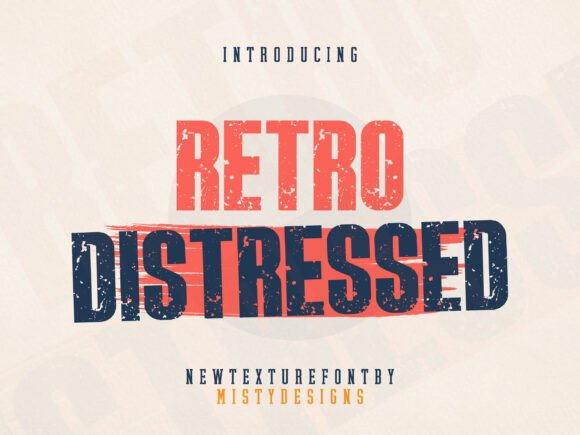
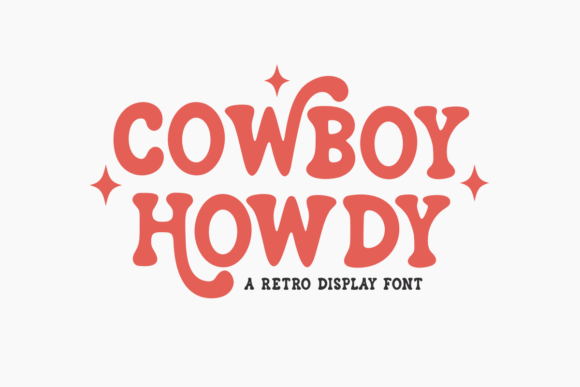
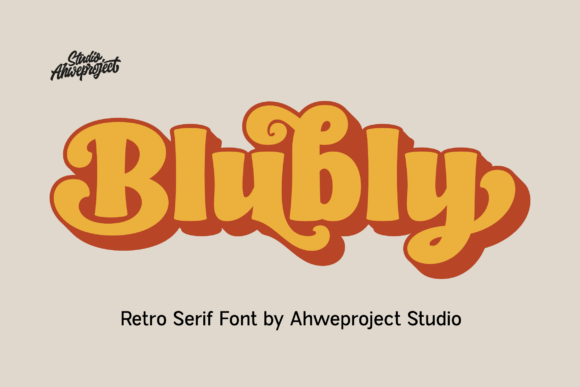
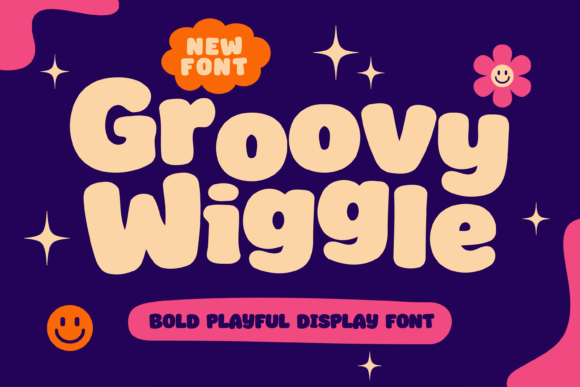
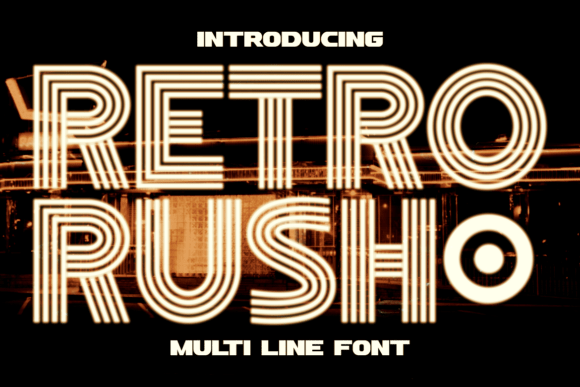
What sets a display font like Retro Rush apart is its architectural approach to letterforms. Inspired by the symmetry of 1920s Art Deco and the electric buzz of 1980s neon signage, each character is constructed with a unique multi-line, layered design. This creates a sense of depth and dimension, allowing letters to appear as if they are glowing from within when set against a dark background. The result is a high-contrast, structured aesthetic that commands attention without sacrificing sophistication.
For designers, this means achieving a complex, high-impact look with surprisingly little effort. The font does the heavy lifting of creating texture and mood. It’s a premium font that functions as a complete design asset, offering the visual weight of a serif font with the clean, modern edge of a sans serif. This duality makes it incredibly versatile for projects that need to bridge classic and contemporary styles.
Practical Applications: From Brand Identity to Social Feeds
The true test of any creative asset is how it performs in the real world. Retro Rush excels in contexts where first impressions and visual storytelling are paramount. Its bold, structured nature makes it an ideal candidate for logo design, particularly for brands in entertainment, hospitality, boutique retail, or any service that wants to convey a sense of luxury, experience, or curated cool. Think of a high-end cocktail bar, a vintage-inspired clothing line, or a boutique hotel—this font immediately sets the right tone.
Beyond logos, consider its power in packaging design. On a shelf crowded with minimalist sans serifs and whimsical scripts, a product using Retro Rush will stand out. It can elevate a craft beer label, a gourmet coffee bag, or a specialty food item, suggesting a product with character and a story behind it. The same principle applies to print materials like posters, magazine covers, and event invitations, where it can create a sense of occasion and importance.
In the digital realm, its value is just as clear. As a web design element, it’s perfect for hero sections, landing page headlines, and promotional banners where you need to capture scrolling attention in seconds. For social media graphics, it provides a consistent, recognizable style for announcements, quotes, and campaign visuals that can help boost engagement and brand recall. It’s a powerful tool for content creators and marketers looking to develop a strong visual signature.
Integrating Retro Rush into Your Design Workflow
Adopting a new typeface is about more than just liking how it looks; it’s about ensuring it works within your broader design system. The key is to match the font’s personality to your project’s goals. Retro Rush has a strong, declarative voice—it’s best suited for headlines, titles, and short, impactful statements. Using it for long body text would likely compromise readability, which is where a clean, simple sans serif font or a classic serif would come in as a complementary pairing.
Always test font pairings before finalizing a design. A practical exercise is to create a sample layout with Retro Rush for the headline and two or three different font pairing options for the body copy. See which combination feels balanced and which best supports the message. Does a geometric sans serif create too much competition, or does a humanist sans provide a welcome contrast in rhythm? This testing phase is crucial for achieving visual consistency and professional presentation.
When you acquire a commercial font like this, review the full character set and included styles. Does it offer the punctuation and special characters you need? Are there multiple weights or styles that could add flexibility? Understanding the full scope of the asset ensures you can use it to its fullest potential across all your projects, from digital products to merchandise.
Considering the Business of Fonts
For entrepreneurs and small business owners, typography is a foundational part of brand identity. Choosing a distinctive creative font like Retro Rush can be a strategic decision that helps your brand stand apart in a competitive market. It communicates a specific aesthetic and set of values before a customer even reads a word of your copy.
However, it’s vital to understand the licensing that comes with a premium font. Most high-quality typefaces are licensed for specific uses—desktop, web, app, or server. Ensure the license you purchase covers all your intended applications, whether it's for your website, printed brochures, or social media templates you plan to sell. This due diligence protects your investment and keeps your projects legally sound.
Ultimately, a typeface like Retro Rush is more than a design element; it's a versatile tool for visual communication. It offers a way to inject personality, history, and a dose of electric energy into your work, helping you connect with an audience that appreciates style and substance. By applying it thoughtfully and pairing it wisely, you can harness its unique aesthetic to build stronger, more memorable brands and creative projects.